
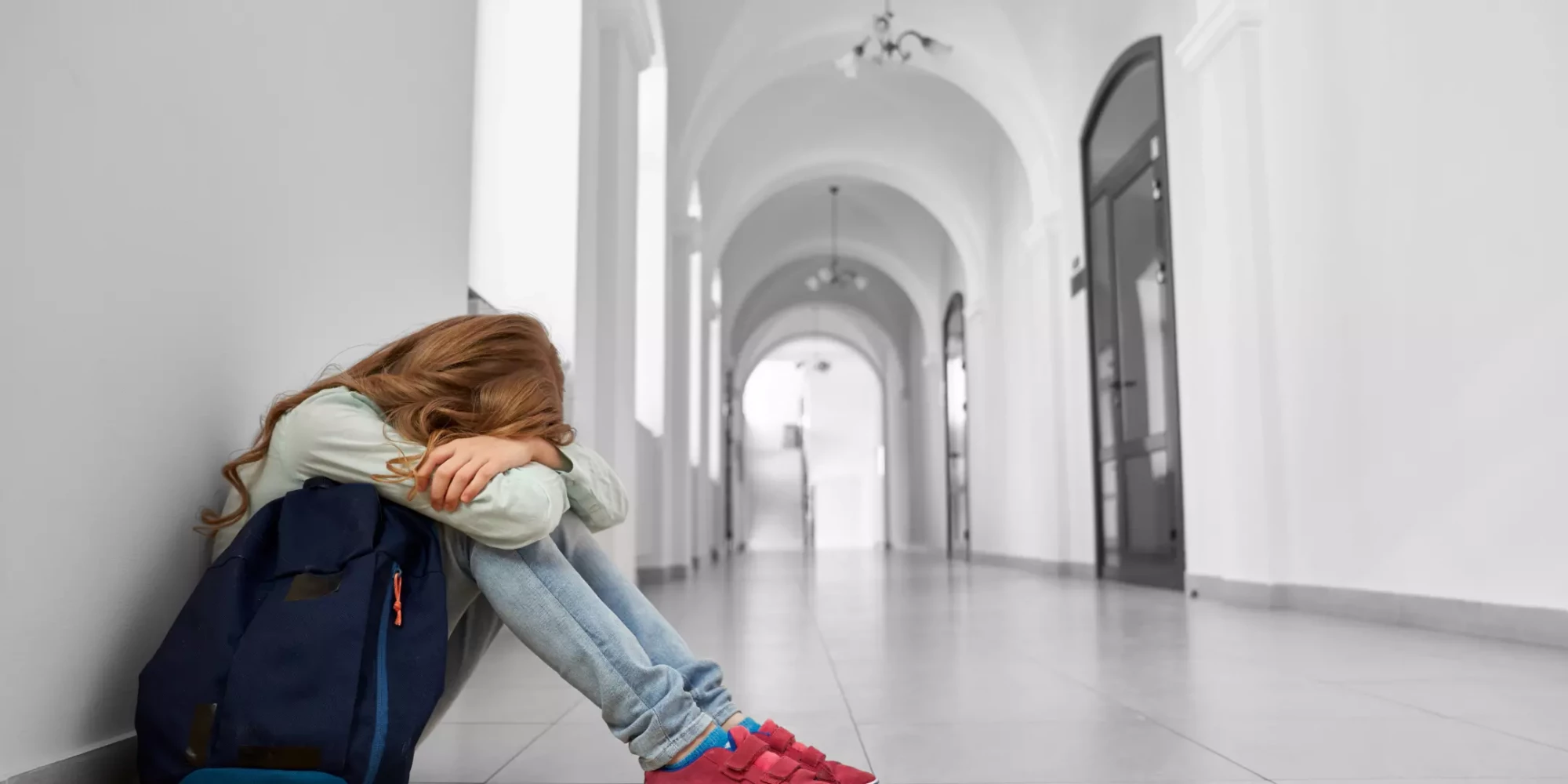
The classroom dynamic shifts, tension rises, and a student exhibits challenging behaviour. Our immediate instinct might be to stop the behaviour, to manage the situation quickly. But effective de-escalation, the kind that truly supports the student and restores calm, requires more than just a reaction. It demands understanding. Before we can effectively de-escalate, we need to pause and consider: Why is this behaviour happening?
The Complete Guide to Government Guidance on Restrictive Interventions in Schools 2026
The Department for Education’s updated guidance on restrictive interventions in schools (see below) represents the most significant regulatory shift in behaviour management since 2013. For school leaders, this isn’t just another policy document to file away—it’s a fundamental reframing of how we understand, document, and reduce restrictive practices in educational settings.
Navigating Worlds
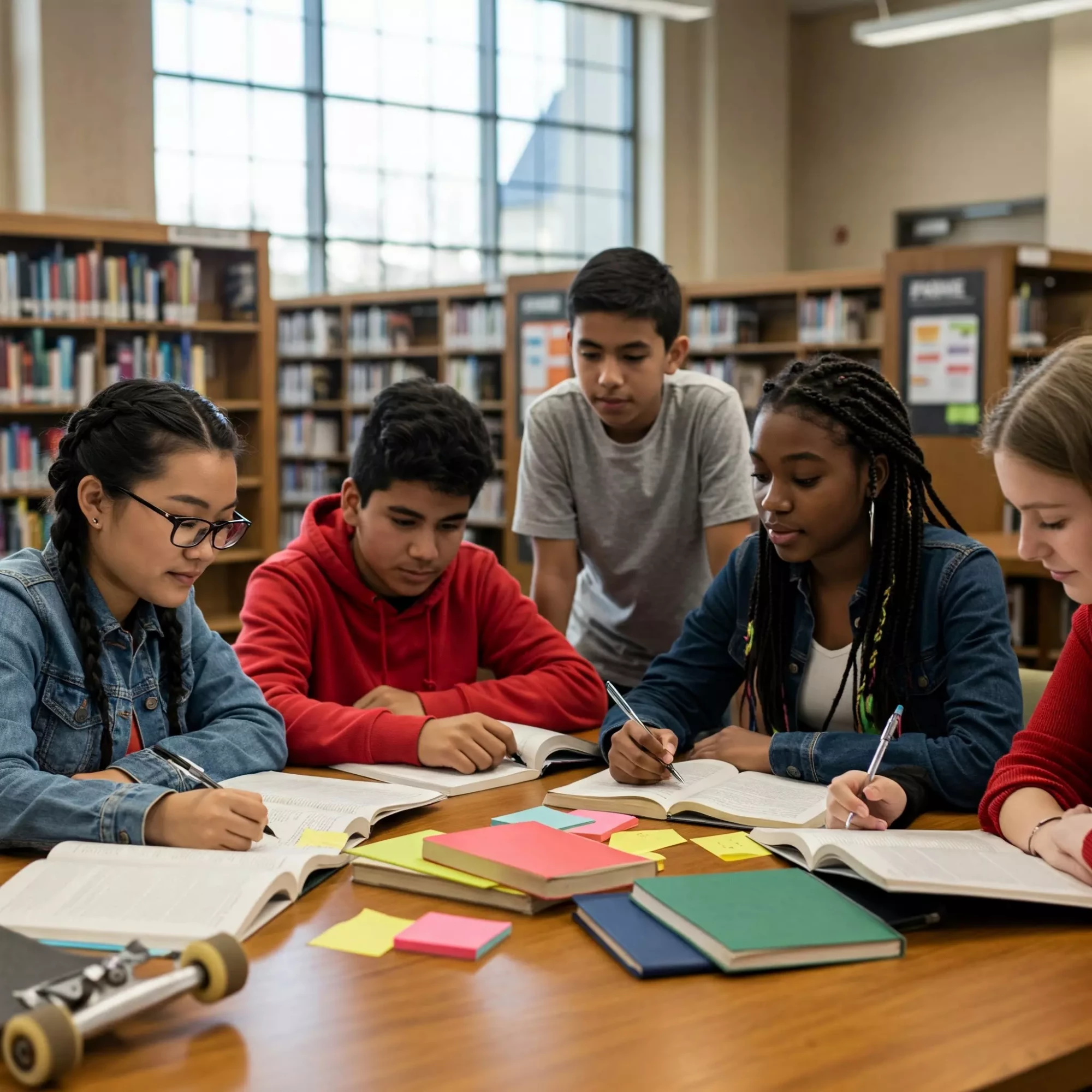
“Third Culture Kids” (TCKs), face. TCKs are individuals who have spent a significant part of their developmental years outside their parents’ culture, creating a distinct “third culture”

Trauma-Informed Training:
How Trauma-Informed Training Promotes Better Outcomes
In various sectors, including health, social care, and education, there’s a growing recognition of the profound impact of trauma on individuals.
Trauma-informed training has emerged as a crucial approach to equip professionals with the knowledge and skills to provide effective support and promote positive outcomes.